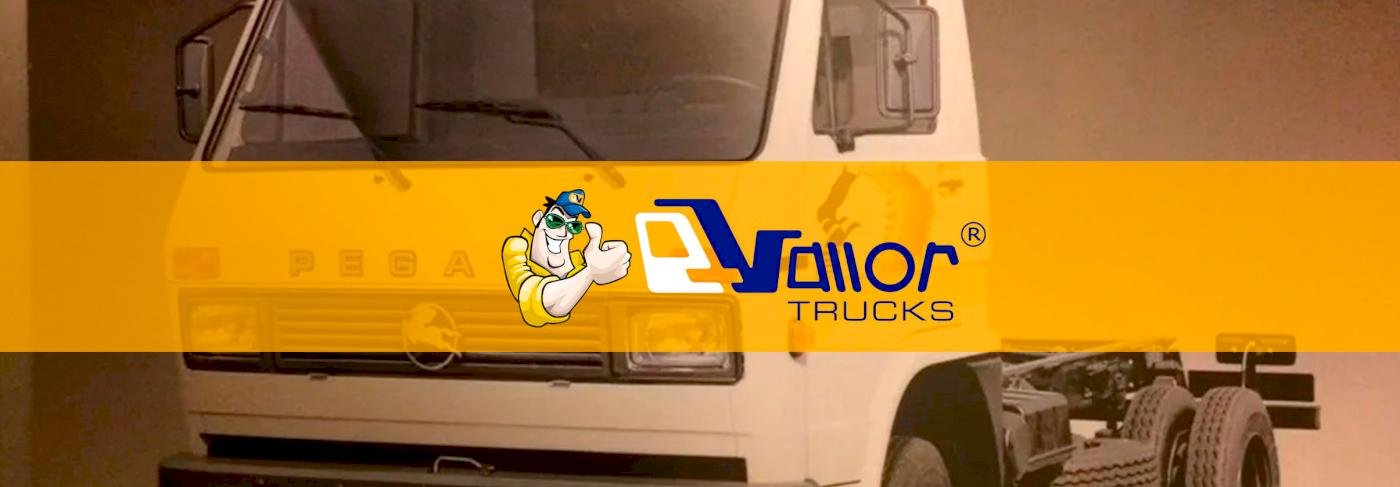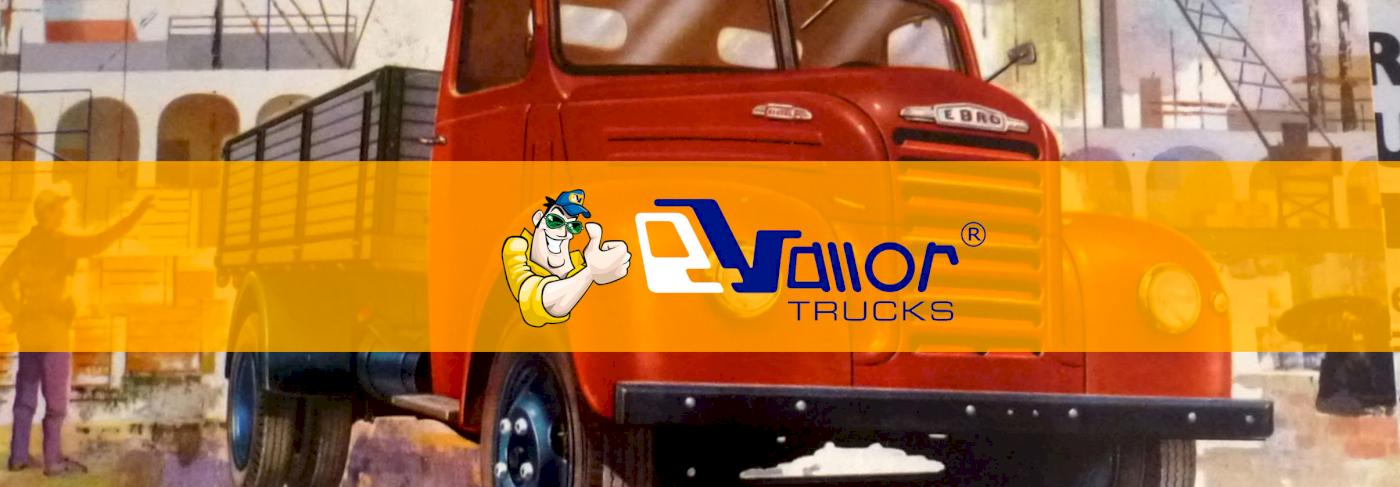



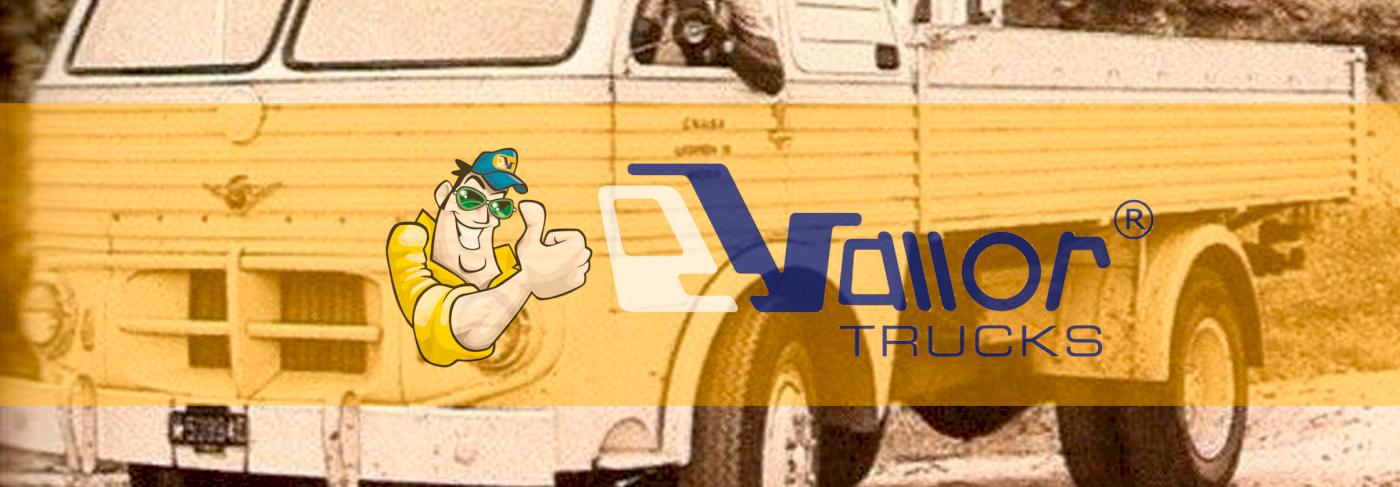
The Pegaso Z-207, nicknamed the “Barajas” as it was the first to be produced in the Barajas neighbourhood of Madrid, could be considered a direct predecessor of the Comet. Unlike other Pegaso models, the Barajas has remained largely unknown to many over the years, despite the time that has passed since its launch. This is hardly surprising, as, even counting all its variants, fewer than 4,500 units were ever manufactured during its eight-year run on the production lines.
The Z-207 was a lorry that incorporated solutions rarely seen at the time – and which would not be adopted until much later – the result of Wifredo Ricart’s ingenuity, such as the direct injection system and the use of lightweight aluminium alloys in the construction of the engine. This engine also featured a counter-rotating shaft beneath the crankshaft, which ensured it ran very smoothly and evenly at any speed. It had two interchangeable cylinder heads, one for each bank of cylinders. It was a 7.5-litre engine with cylinders arranged in a 120° V6 configuration, producing 110 cv, later increased to 120, which propelled the lorry and its load (11,320 kilograms) up to 90 km/h.
Thus, in 1955, it was launched on the market as a vehicle equipped with the most advanced technology available internationally. Its distinctive design is particularly noteworthy. So much so that its most striking features would come to define the Pegaso brand from then on.